
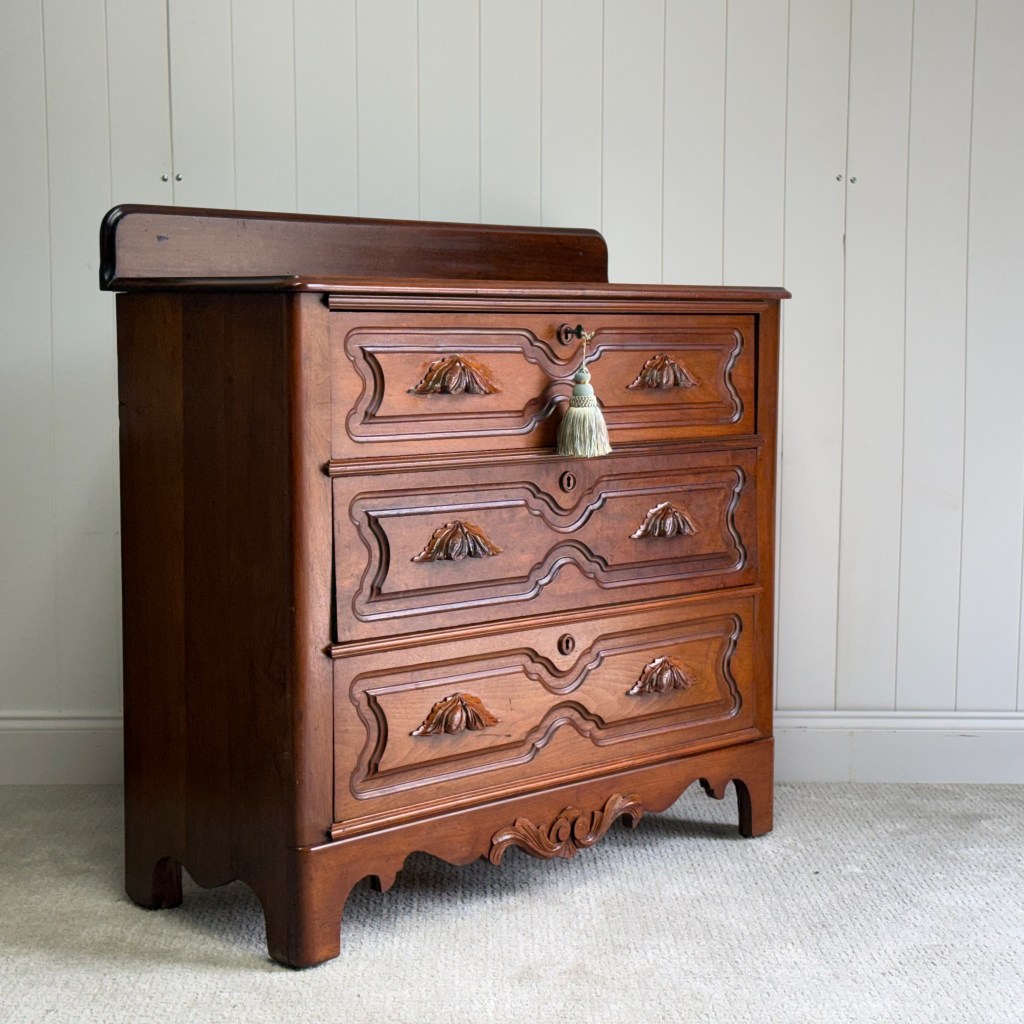
Caring for antique furniture doesn’t have to be complicated—or intimidating. In fact, one of the most common mistakes we see is doing too much in the name of maintenance.
Most antiques benefit from simple, consistent care using the right products, applied sparingly. The goal isn’t to make an old piece look new—it’s to protect the finish, maintain function, and let the furniture continue aging gracefully.
Below are a few practical tips and trusted products we recommend for everyday antique care.
Start With Gentle, Regular Cleaning
Before reaching for any specialty products, regular cleaning goes a long way.
- Use a soft, dry or slightly damp cloth
- Avoid harsh household cleaners
- Skip anything with ammonia or strong degreasers
Dust buildup can dull a finish over time, so light, consistent cleaning is better than infrequent deep cleaning.
Furniture Wax: When (and When Not) to Use It
Furniture wax can be helpful—but it’s often overused.
A quality paste wax can:
- Add a soft sheen
- Offer light surface protection
- Help even out dry or dull areas
However, wax should be used sparingly, no more than once or twice a year.
Look for traditional furniture waxes designed for wood finishes, and always apply:
- A thin layer
- With a soft cloth
- Buffed gently after drying
Too much wax can build up and attract dust, making a piece harder to maintain over time.
Reviving a Tired Finish: Antique Restorers
For antiques with finishes that look dry, uneven, or slightly worn—but not damaged—restorer products can be very useful.
Two commonly used options include:
- Kramer’s Best Antique Improver
- Restor-A-Finish
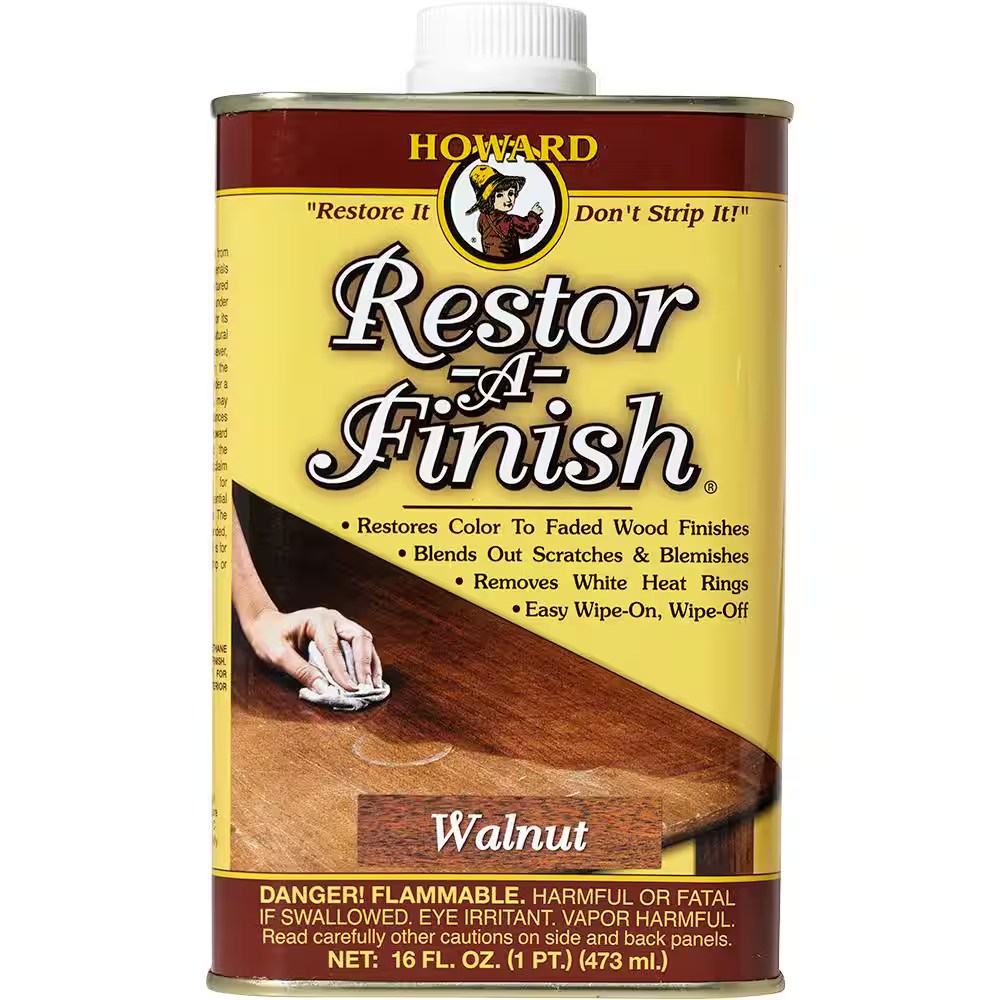
This product works well to restore color, blend minor scuffs and scratches, and remove those dreaded white heat rings.

Kramer’s Best is highly effective at reviving old, worn finishes that have become dry or dull over time. It’s turpentine-based, so always use it in a well-ventilated area and follow the manufacturer’s instructions carefully.
These products are designed to:
- Rehydrate tired finishes
- Reduce the appearance of light scratches
- Improve overall tone and depth
They are not permanent fixes, and they won’t repair structural damage—but they can be effective for refreshing a piece that has lost some life.
Always test in an inconspicuous area first, and follow instructions carefully.
Howard Feed-N-Wax: A Light Conditioning Option
Howard Feed-N-Wax is a popular option for conditioning wood furniture, particularly pieces that appear dry or tired. It’s especially effective on the inside of drawers, where unfinished wood can lose moisture over time. Applied sparingly, it can also be useful on drawer slides, helping them glide more smoothly and quietly without altering the character of the piece.
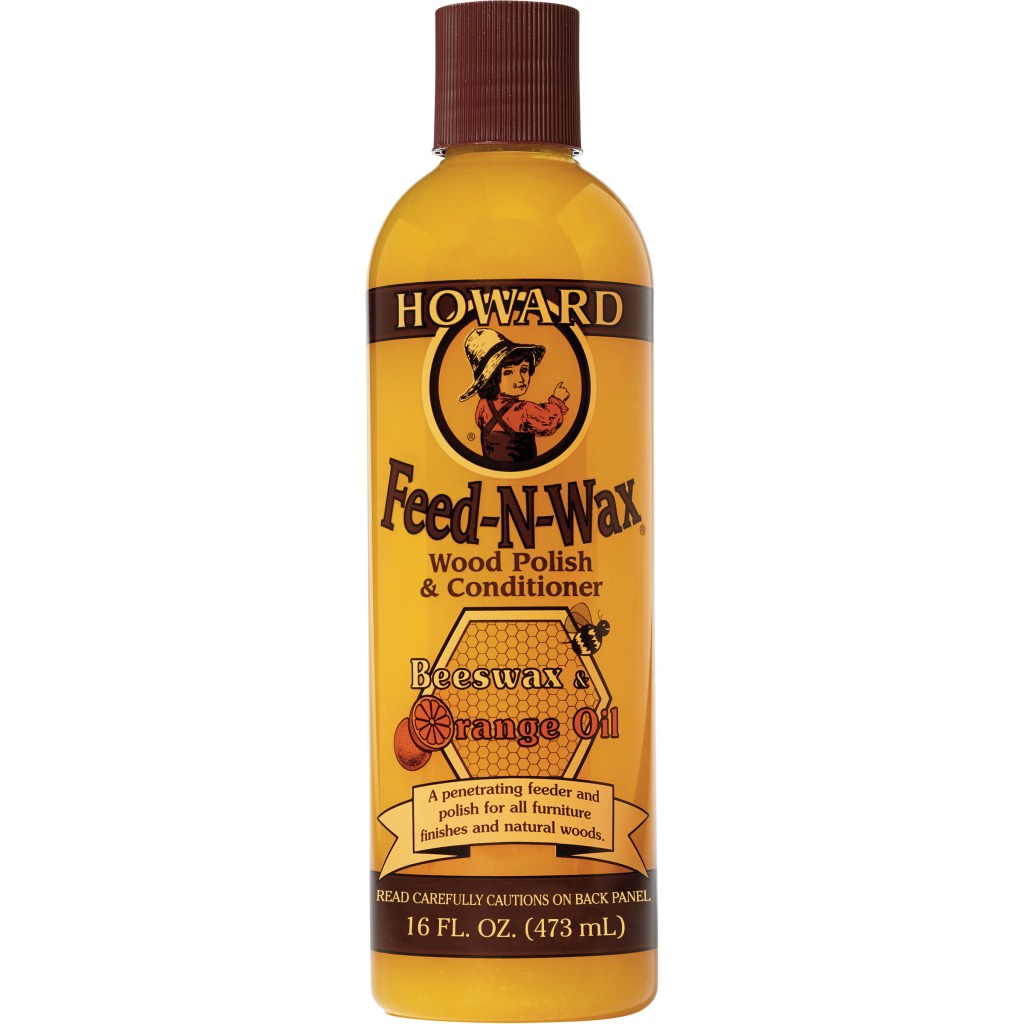
Howard Feed-N-Wax is readily available online and is one of our go-to products for reviving dry finishes and conditioning sticky or tired drawers.
This product combines oils and waxes to:
- Nourish the wood
- Enhance color and grain
- Add a subtle, warm sheen
This can be especially helpful for:
- Older pieces in dry environments
- Furniture exposed to sunlight
- Wood that looks dull but structurally sound
As with all conditioning products, moderation is key. Overuse can leave residue or darken finishes more than intended.
Use care when applying products to the inside of drawers, and always wipe away any excess. This is especially important if you store fabrics or paper, as leftover wax or oil can transfer and cause staining over time.
What to Avoid
Some common products and habits can do more harm than good:
- Silicone-based polishes (often found in spray cleaners)
- Heavy oils that soak into the wood
- Abrasive pads or scrubbers
- Frequent stripping or refinishing “just because”
If you’re unsure, it’s usually better to do less, not more.
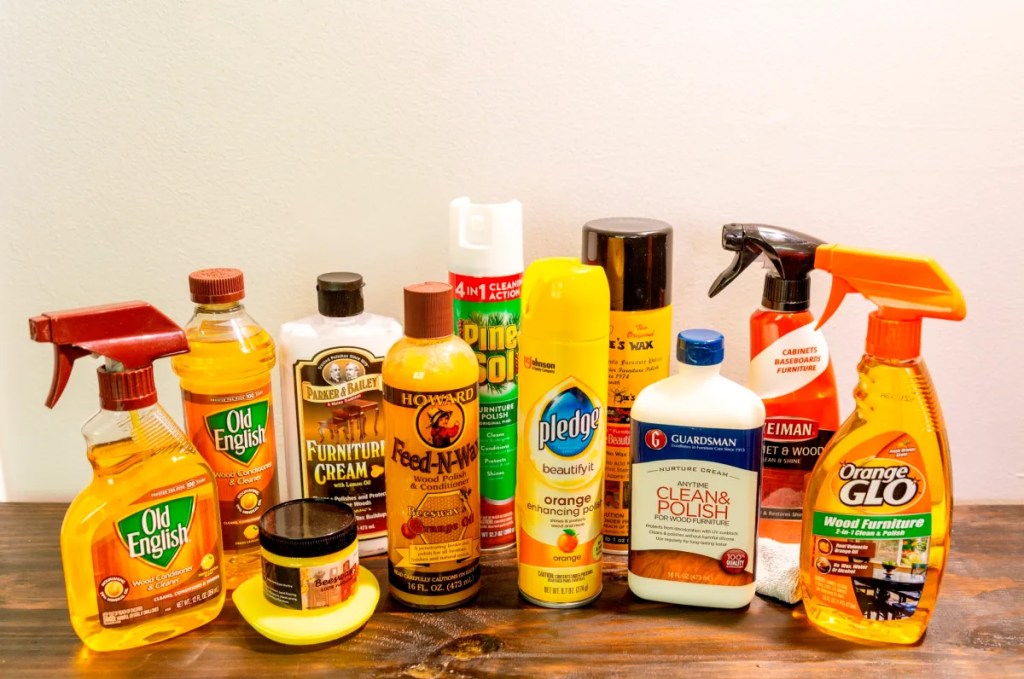
There’s a vast array of products on the market – but be careful when selecting products for antique furniture. Some modern cleaners and finishes can actually cause more harm than good.
Everyday Habits That Matter Most
Beyond products, daily habits play a big role in long-term care:
- Use coasters and felt pads
- Avoid prolonged direct sunlight
- Keep furniture away from heat sources
- Accept that light wear is part of the story
Antique furniture was built to be used. Caring for it thoughtfully means protecting its function while allowing it to live naturally in your home.
When to Pause—and Ask for Help
If a piece shows signs of:
- Structural instability
- Lifting veneer
- Severe water damage
- Sticky or deteriorating finishes
It’s often best to pause and seek professional guidance before applying products that could complicate future restoration.

 Burke & Bradford