
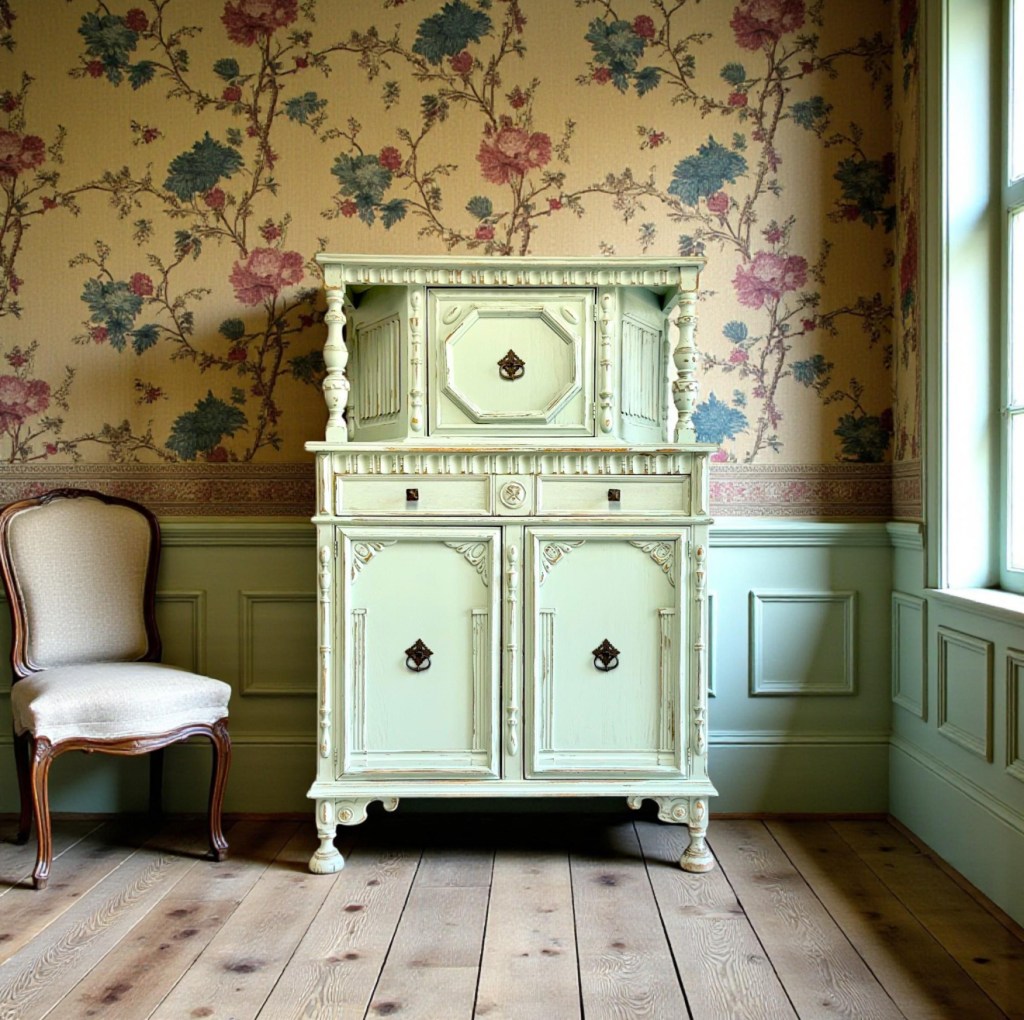
One of the most common misunderstandings regarding antiques is the age-old concern: “I love my antique furniture… but I’m afraid to actually use it.” So the piece gets placed carefully in a corner, admired from a distance, treated more like an artifact in a museum—untouched, unused, and quietly off-limits for fear of doing something wrong.
It’s understandable. Antiques carry history, craftsmanship, and age in a way modern furniture doesn’t. That weight of time can make them feel fragile—more museum-worthy than meant for everyday life. But the truth is, antique furniture was never meant to sit untouched. It’s antique for a reason—these pieces were built to last, and that’s exactly what they’ve done!
Antique vs. Vintage: What We Mean
Before we talk about living with older furniture, it helps to clarify a distinction that often causes confusion.
In traditional terms, antique furniture refers to pieces that are 100 years old or more, typically crafted during a time when furniture was built primarily by hand, using solid wood and traditional joinery. These pieces were made for daily life, not display.
Vintage furniture, while newer, generally refers to well-made pieces from the early- to mid-20th century—often 30 to 99 years old—that still reflect thoughtful construction and enduring design. Generally, anything made before the 1930s we’d consider antique. Anything from the 1930s to the 1990s we’d consider vintage (it pains me too much to admit the early 2000s are almost vintage).
At Burke & Bradford, we work with both antique and select vintage pieces. What unites them isn’t age alone, but integrity of construction, quality of materials, and the ability to be used and enjoyed today.
Antiques Were Built for Daily Life
Many antique and vintage pieces were built in a time when furniture had to work hard. Dressers stored clothing for generations. Tables hosted daily meals. Sideboards held everything from linens to serving ware. These pieces weren’t decorative afterthoughts—they were everyday workhorses.
For most families, furniture was a long-term investment. Our grandparents and great-grandparents typically had less disposable income, so they bought carefully and expected pieces to last. And they did!
Much of today’s furniture culture, especially in the U.S., has shifted toward disposability. When something wears out—or simply goes out of style—it’s often replaced without much thought. It’s easy to find furniture online for less than a hundred dollars (cheap furniture made overseas and purchased from Amazon), but that convenience usually comes with a cost: short lifespans, limited function, and frequent regret.
Antique furniture tells a different story—one of durability, intention, and use. It’s furniture that has already proven it can stand the test of time. Solid wood construction, traditional joinery, and thoughtful proportions weren’t luxuries—they were necessities. These pieces were built to last because they had to.
That durability is exactly why so many antiques still exist today.
Where Antique Furniture Fits Best in Modern Homes
Antique furniture often works best when it’s allowed to do what it was originally designed for—just in a modern context.
• Sideboards make excellent dining or living room storage
• Dining tables thrive with regular use (yes, even with kids)
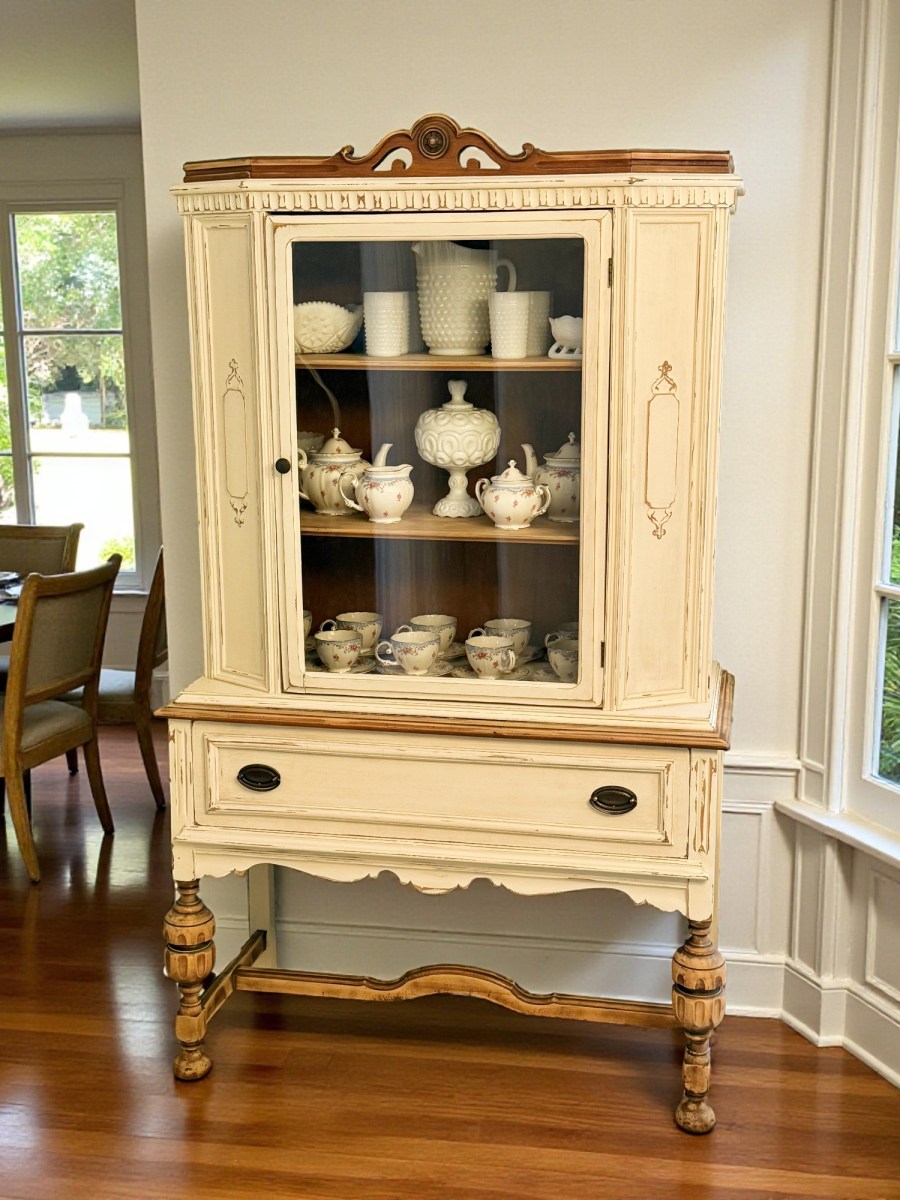
• Cabinets and hutches are ideal for everyday dishes, books, barwar, or linens
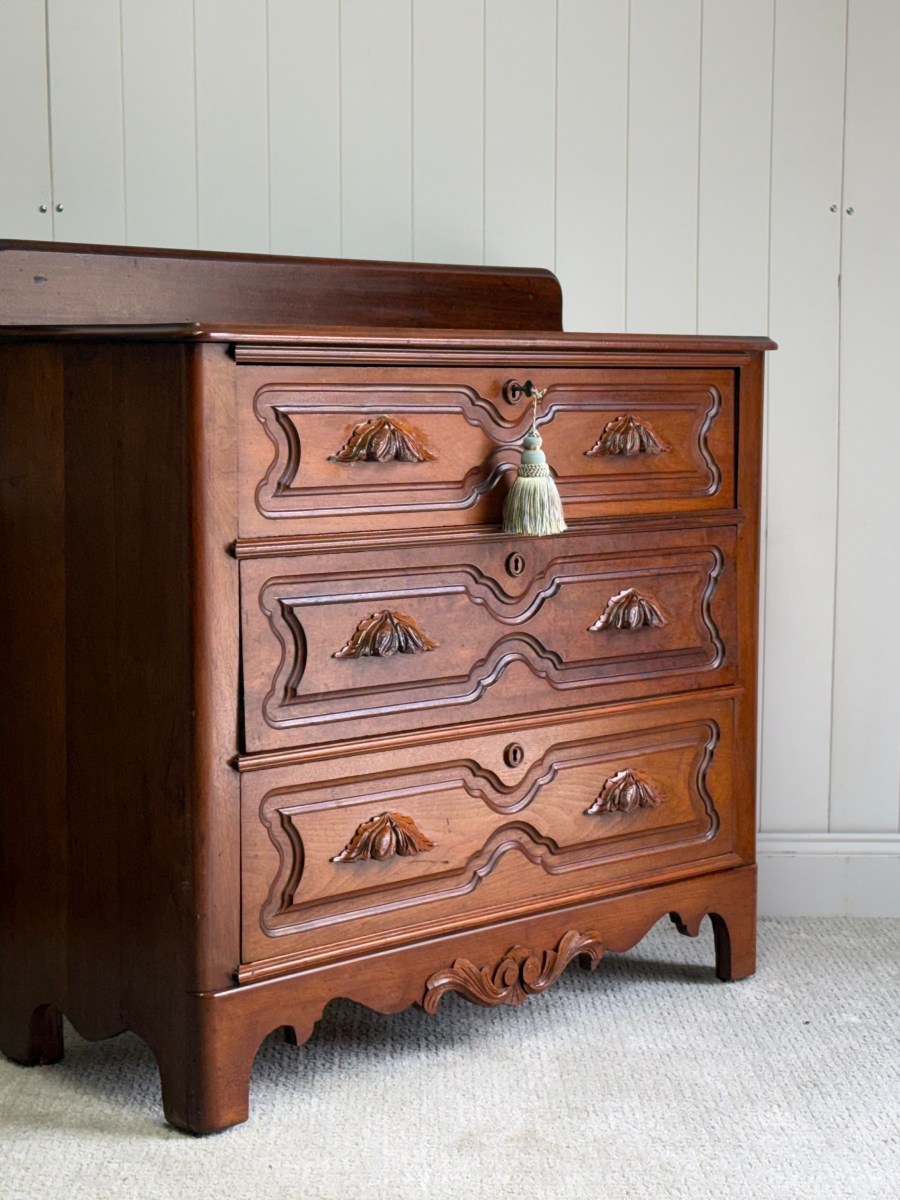
• Dressers transition beautifully into bedrooms, entryways, or guest rooms
Used thoughtfully, antique furniture can anchor a space without overpowering it while providing plenty of utility.
Protecting Without Babying
Living with antique furniture doesn’t mean treating it carelessly—but it also doesn’t mean tiptoeing around it.
Simple habits go a long way:
- Felt pads under lamps or décor to protect surfaces
- Coasters for drinks (not all topcoats are created equal)
- Avoiding prolonged direct sunlight (sun is great for vacation, but not for furniture)
- Gentle cleaning instead of harsh chemicals
There is also a wide range of products designed specifically to clean, protect, and enhance antique furniture (we’ll explore those in more detail in a future post).
Beyond that, a bit of wear is not only inevitable—it’s appropriate.
Wear Isn’t the Enemy
There’s a difference between damage and honest wear.
Scratches from years of use, softened edges, and subtle variations in finish are signs of a piece that has lived a full life. When cared for properly, these marks add character rather than detract from value.
I recently joked with my daughters that if I had started working with furniture before they were born, I might have named one of them “Patina.” I received and eye roll from them in response, but there’s something special about authentic, aged patina that simply can’t be manufactured. It brings depth, warmth, and a quiet sense of history that new, mass-produced furniture can’t replicate.
True patina shows itself in subtle, honest ways: the fine crackling of an old finish, the gentle darkening around drawer pulls and handles where hands have passed for decades, or the soft green tones that develop on copper and brass hardware over time. These aren’t flaws to be erased—they’re evidence of use, care, and life. Each mark tells a small part of a larger story, giving a piece character that only time can create.
Antique furniture tells a story. Continuing that story is part of its appeal.
Making Antiques Feel Livable
Sometimes the barrier isn’t fear of damage—it’s fear of not “doing it right.”
That’s where thoughtful restoration and refinishing come in. A carefully chosen paint color, updated stain, or stabilized finish can help a piece feel more at home in a modern space while preserving its integrity.
The goal isn’t perfection. It’s comfort, function, and longevity.
The Bottom Line: Antique Furniture Is Meant to Be Used
Antique furniture doesn’t need to feel precious or untouchable to be valued. We believe the best pieces are the ones that become part of everyday life—tables that gather people, cabinets that serve a purpose, and furniture that feels at ease in your home.
When antiques are restored with restraint and lived with intentionally (and carefully), they don’t feel intimidating. They feel right.

 Burke & Bradford